

Test Construction and Validation
By Watson Quest – Test Approved Center
Test Construction and Validation is the scientific process used to design, develop, evaluate, and verify the reliability and accuracy of psychometric assessments. At Watson Quest, test construction follows internationally recognized psychometric standards to ensure that every assessment accurately measures the intended abilities, skills, or personality traits.
Through rigorous research, statistical analysis, and continuous improvement, Watson Quest develops assessments that are valid, reliable, fair, and suitable for real-world applications in recruitment, education, and professional certification.
1. Test Design and Planning
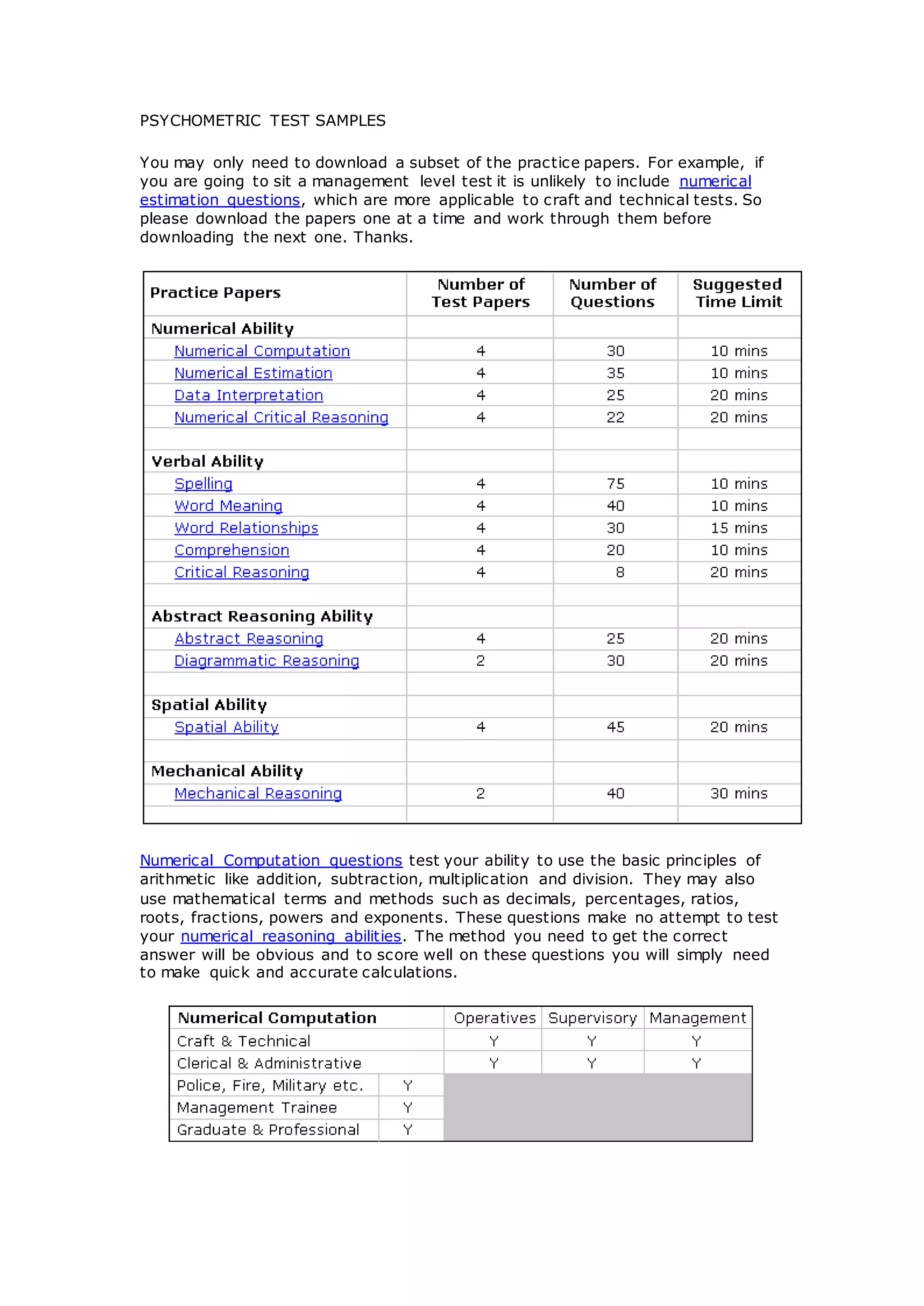


The first stage of test construction involves defining the objectives of the assessment and identifying the skills or competencies that need to be measured.
Watson Quest experts collaborate with industry professionals and subject matter experts to design a test blueprint that ensures the assessment aligns with its intended purpose.
Key Activities
- Defining the purpose of the test
- Identifying the target population
- Determining competencies to measure
- Creating a test blueprint and structure
Example
A customer service assessment may include sections measuring:
- Communication ability
- Problem-solving skills
- Emotional intelligence
- Service etiquette
2. Item Development (Question Creation)



After defining the test structure, Watson Quest specialists develop test items (questions) designed to measure specific skills or competencies.
These questions are carefully written to ensure they are clear, unbiased, and relevant to the test objectives.
Types of Test Items
- Multiple-choice questions
- Situational judgment questions
- Logical reasoning problems
- Numerical reasoning tasks
- Personality questionnaires
Example Question
Which word is most similar to “efficient”?
A. Slow
B. Productive
C. Weak
D. Delayed
Correct Answer: B – Productive
3. Pilot Testing and Data Collection


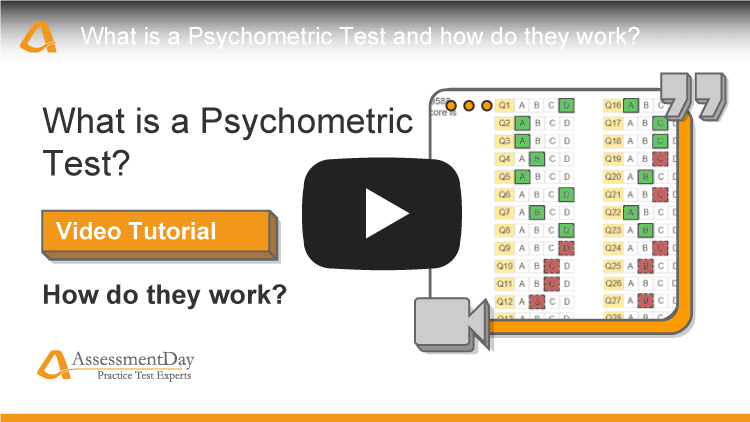

Before an assessment is officially released, Watson Quest conducts pilot testing with a representative sample of participants.
Pilot testing helps determine whether the test questions:
- Measure the intended skills
- Are clearly understood by participants
- Provide reliable results
Data Collected
- Participant responses
- Question difficulty levels
- Response patterns
- Completion time
The collected data allows researchers to identify questions that need improvement or removal.
4. Statistical Analysis and Reliability Testing

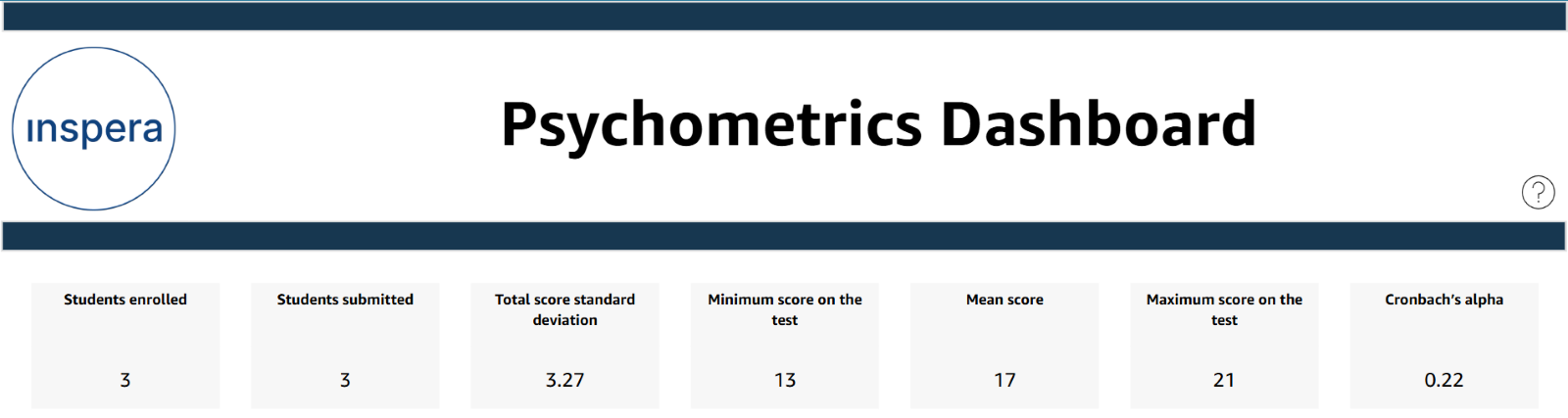

Watson Quest uses advanced statistical techniques to ensure that tests are reliable and consistent.
Reliability Measures
- Internal consistency: Ensures test items measure the same concept
- Test–retest reliability: Ensures stable results over time
- Inter-rater reliability: Ensures consistent scoring when human evaluators are involved
High reliability means that the test produces consistent results across different testing conditions and populations.
5. Validity Evaluation



Validity determines whether the test actually measures what it is intended to measure.
Watson Quest evaluates several types of validity during test development.
Types of Validity
Content Validity
Ensures the test covers all relevant aspects of the subject being measured.
Construct Validity
Confirms that the test measures the psychological concept or skill it is designed to measure.
Criterion Validity
Examines how well test results predict real-world performance, such as job success or academic achievement.
6. Standardization and Norm Development


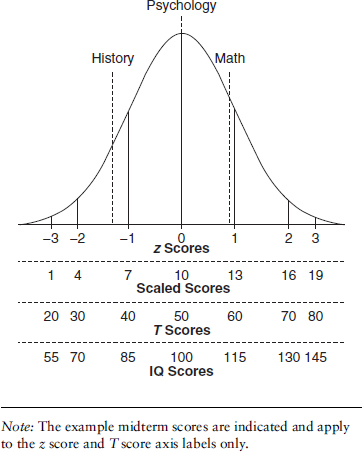
Watson Quest develops standard scoring systems and benchmarks so that individual results can be compared to a larger population.
Norm Development Includes
- Establishing average performance scores
- Creating percentile rankings
- Defining performance categories (e.g., high, average, low)
This ensures that test results are interpreted accurately and fairly.
Watson Quest Quality Assurance Process
To maintain high standards, Watson Quest implements a continuous quality assurance process that includes:
- Regular test review and updates
- Ongoing statistical monitoring
- Feedback from employers and institutions
- Integration of AI-powered analytics
This ensures that assessments remain relevant, fair, and scientifically valid.
Applications of Watson Quest Test Construction and Validation
Watson Quest assessment development supports various sectors, including:
- Recruitment and talent assessment
- Educational evaluation
- Professional certification programs
- Leadership and management development
- Cognitive ability and personality testing
Benefits of Watson Quest Test Development
Organizations using Watson Quest validated assessments benefit from:
✔ Scientifically developed tests
✔ Reliable and consistent evaluation results
✔ Fair and unbiased assessments
✔ Accurate prediction of job and academic performance
✔ Globally recognized psychometric standards
Watson Quest – Excellence in Psychometric Assessment
Through rigorous test construction and validation processes, Watson Quest ensures that all assessments meet the highest standards of psychometric quality, reliability, and validity.
By combining scientific methodology, AI-powered analytics, and industry expertise, Watson Quest delivers assessment tools that enable organizations to make informed, objective, and data-driven decisions.